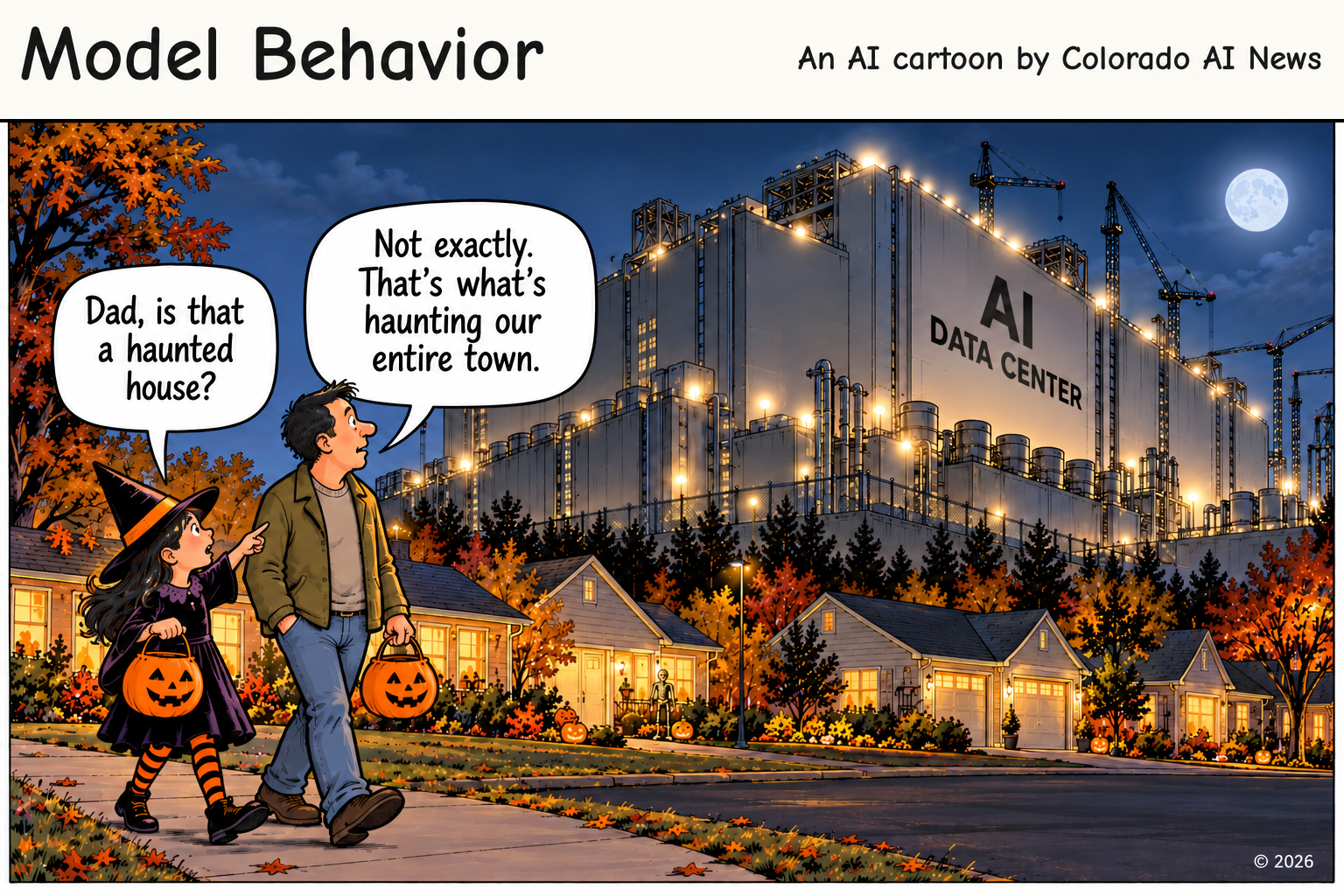
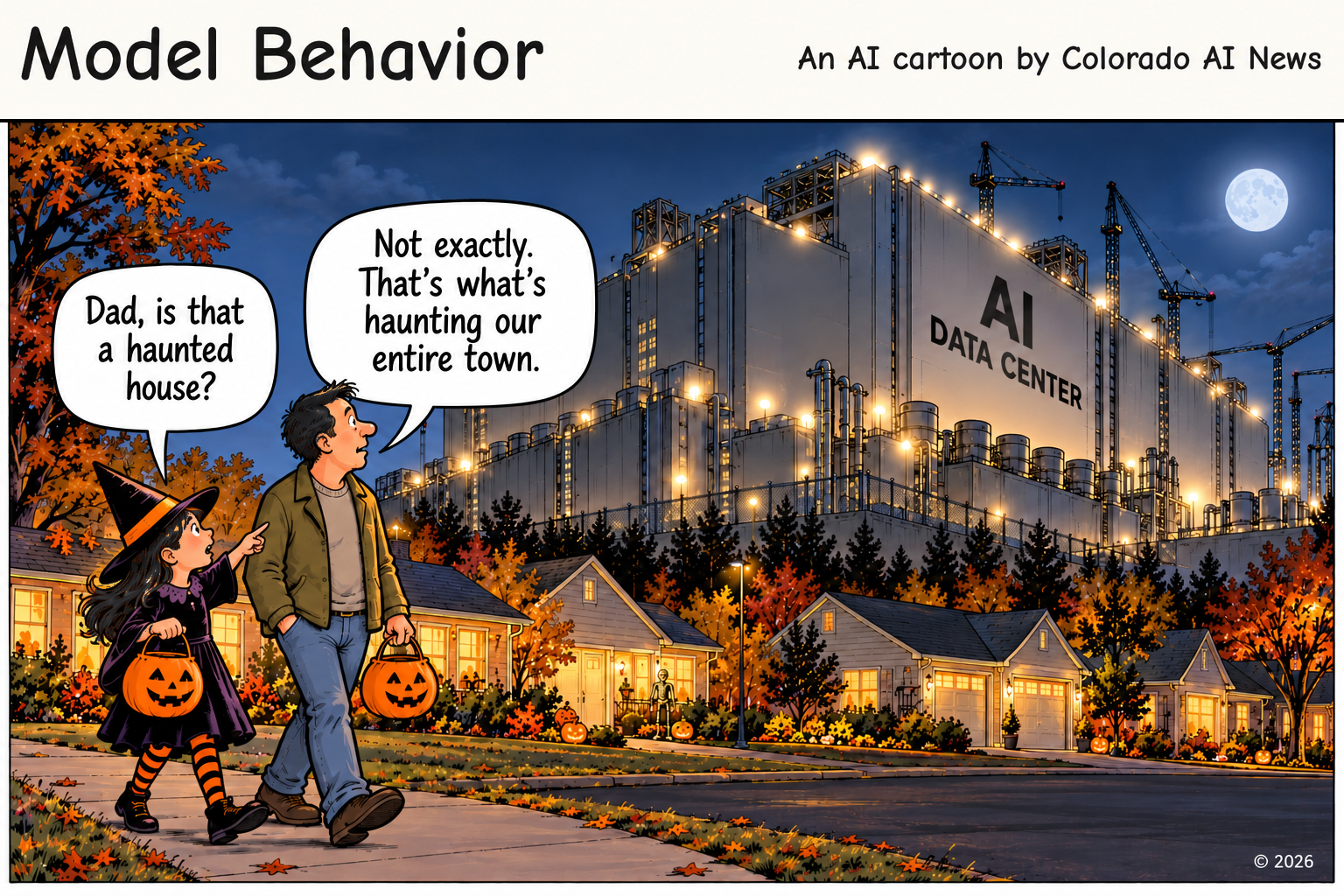
Enormous AI data centers are giving some Coloradans nightmares – and Halloween has nothing to do with it.
Consider Brighton, where residents packed City Hall on October 6 to oppose a proposed 2.5-million-square-foot data center near the Brighton-Lochbuie border. The council chambers filled to capacity, with dozens more people waiting outside after police closed the doors.
During three hours of public comment, all but one speaker opposed data-center development, citing concerns about electricity and water consumption, pollution, noise, and other impacts. Midway through the meeting came a surprise: The developer had withdrawn its zoning application. On October 20, the City Council voted unanimously to adopt a one-year moratorium, giving officials time to consider new regulations.
Elsewhere, the debate continues. Earlier this week, on October 26, Aurora's City Council declined to revive a proposed data-center moratorium despite opposition from residents.
Data centers provide essential infrastructure for AI and other digital services, and their supporters point to investment, jobs, and tax revenue.
But as Crys Black explored in her September Human Input column for Colorado AI News, the disputes unfolding across Colorado involve fundamental questions about water, power, noise, transparency, and how much say communities should have over developments in their own backyards.