Act I: Setting the Scene
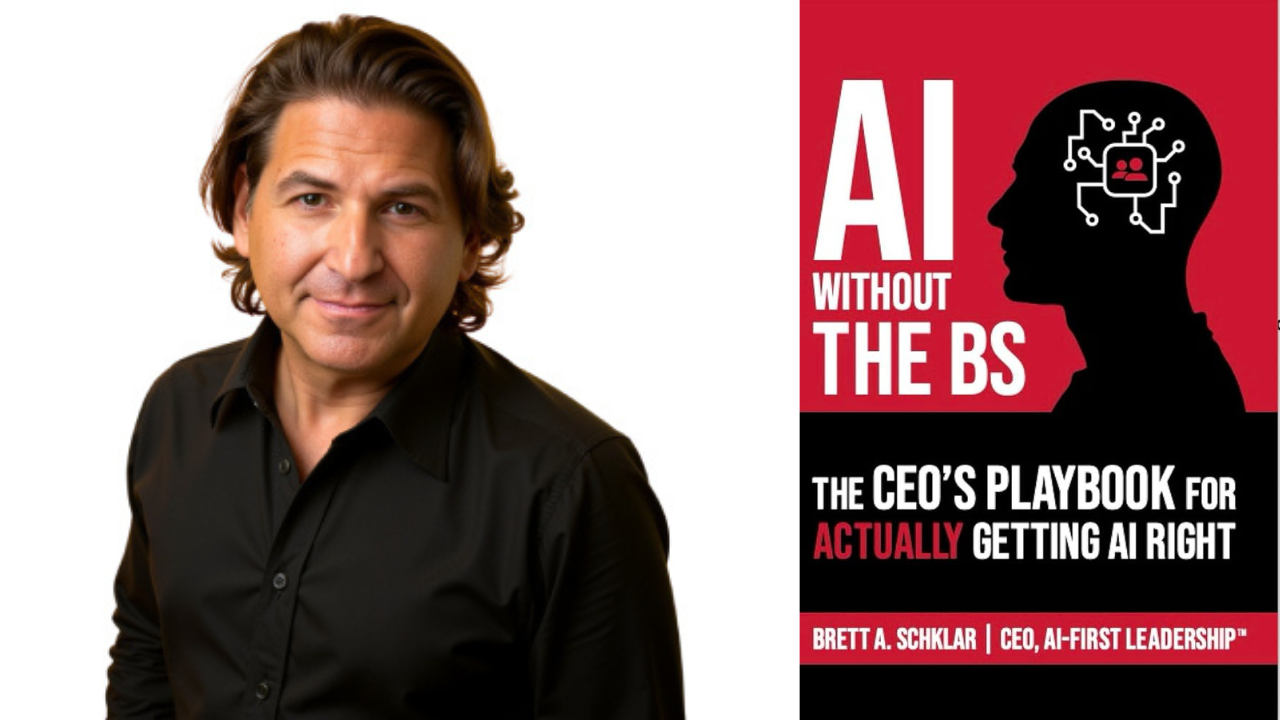
Brett Schklar has spent nearly three decades in the trenches of B2B marketing, helping software and SaaS companies grow without blowing up their budgets or their sanity. He’s led marketing at a string of tech companies, built and scaled his own agency, and then successfully sold it. He suggests that “like a lot of Gen-Xers after an exit, he found himself asking, ‘Now what?’” The answer turned out to be more of the same work he loved, but with a different spin.
That spin is GROW Powered, his fractional CMO firm, and AI First Leadership, his advisory practice focused on helping executives build real AI roadmaps instead of, as he puts it, chasing whatever idea “someone’s nephew pitched at Thanksgiving.”
When GenAI arrived, Schklar did not sit back and wait for a think tank report. In his words, he “dove in headfirst, logging more than a thousand hours experimenting, breaking things, fixing things, and building an AI-first operating model that tripled my own productivity.”
Out of that work came his book, “AI Without the BS: The CEO’s Playbook for Actually Getting It Right.” Schklar wrote it because he saw CEOs struggling to cut through the technobabble, fearmongering, and Silicon Valley fairy dust. The book is his attempt to explain AI in plain language to leaders who are less interested in buzzwords and more interested in what will actually move revenue, margins, and culture in the right direction.
Since the book was published this past summer, life for its author has been something of a rocket ride. Schklar has been a keynote speaker for CEO groups, a leader of executive workshops, and an advisor to mid-market companies on how to adopt AI in ways that fit their actual businesses.
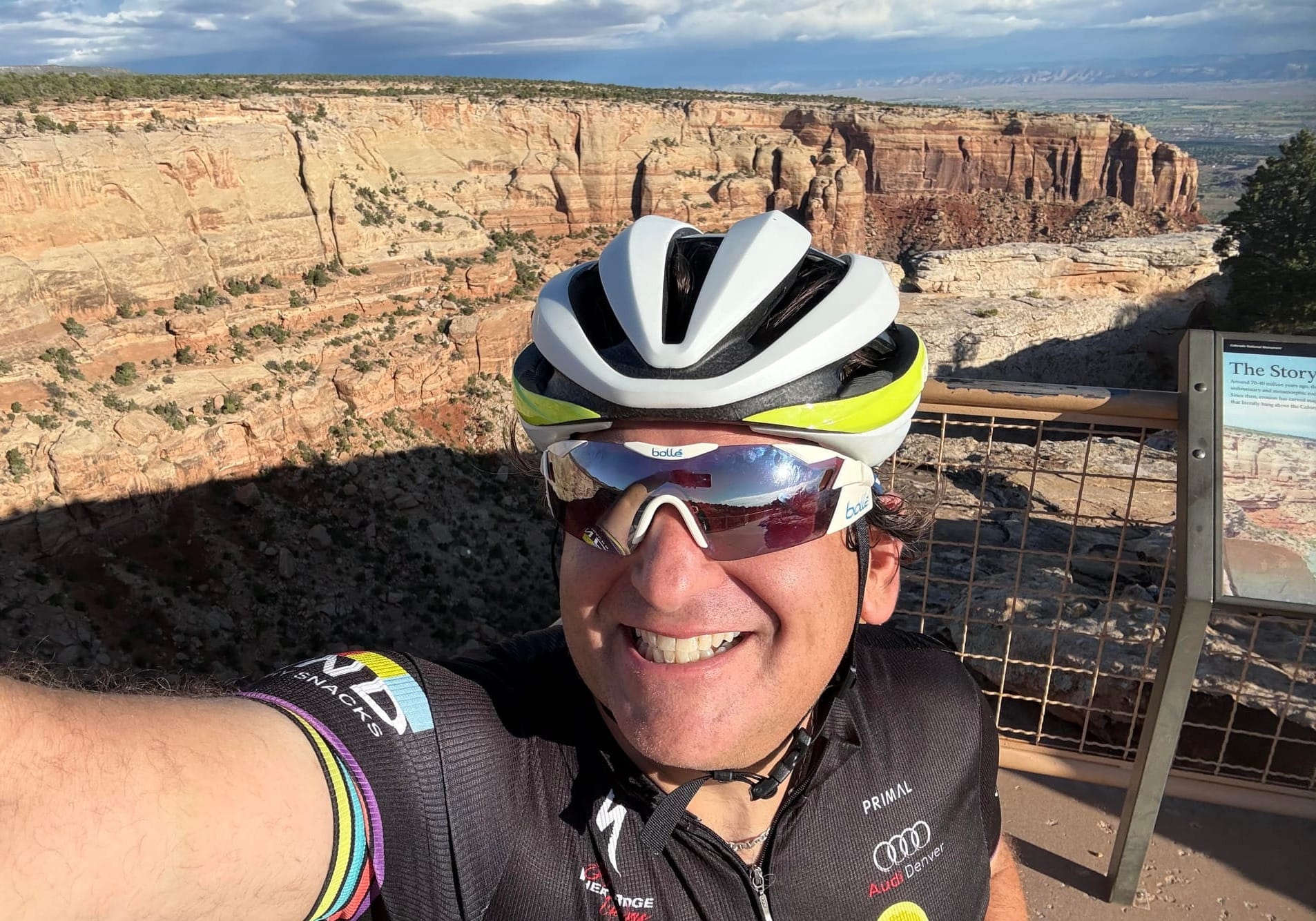
Outside of work, he’s a husband, dad, cyclist, dog-obsessed human, and “an RC airplane fanatic who is not above crashing an expensive toy in public from time to time.” Schklar grew up in the South (Tennessee and Georgia), but his passion for the outdoors led him to Colorado.
Interestingly, his wife, Tamara Pester Schklar, built and recently sold a boutique trademark and copyright law firm, and she now serves as senior counsel for the acquiring firm. In addition to consulting on intellectual property and AI issues, she's developing new ventures focused on legal strategy and education, as well as lifestyle and travel brand collaborations.

What really makes Brett Schklar tick is the work of helping leaders cut through the noise and make smarter decisions in our very noisy, AI-saturated moment. In Schklar’s view, AI is changing everything about how businesses operate – but it does not have to change who we are. Used well, he argues, it should help leaders build companies that are sharper, saner, and more human, not less.
As we go to press, it's been six months since Schklar completed his research for “AI Without the BS.” Given the incredible pace of change in AI – and just how quickly companies are responding to that change – Colorado AI News thought it would make sense to catch up with him and see what he's thinking today.
Our discussions took place over several days via Zoom and email. They have been lightly edited for length and clarity.
Act II: What's Happening Right Now?
CO AI News: Let's jump into the "right here, right now" to get things started. The recent MIT study indicating a lack of ROI on AI pilots has sparked a lot of discussion. What do you think of all that? Were you surprised by anything there? And how does it tie into your findings in "AI Without the BS"?
Brett Schklar: When I read the MIT study showing that 95% of GenAI pilots fail, I didn’t raise an eyebrow. I’ve been watching that train coming for a year. Companies aren’t failing at AI because the tech isn’t good enough – they’re failing because they’re treating AI like some IT side project. Most pilots are designed to avoid friction. They’re safe. They’re tiny. They’re basically corporate arts and crafts. And when you choose projects that are intentionally low-impact, you shouldn’t be shocked when they produce low-impact results.
What MIT revealed lines up perfectly with what I’ve seen in more than 1,400 conversations with CEOs and business owners. When AI isn’t tied to a core business problem—something that actually moves revenue, margin, or customer experience – it becomes a novelty. The CFO looks at the pilot afterward and says, “Neat. And…?” The ROI never materializes because the project never had the DNA to produce it in the first place.
The companies that are seeing a return treat AI like a business transformation, not an experiment. They’re willing to disrupt existing processes, not tiptoe around them. That’s the difference.
CO AI News: In your discussions with that many CEOs, what surprised you the most about what you heard from them? And given how fast the AI ecosystem is changing, what have you heard in the six months since your earlier discussions that's new, different, and instructive for all of us?
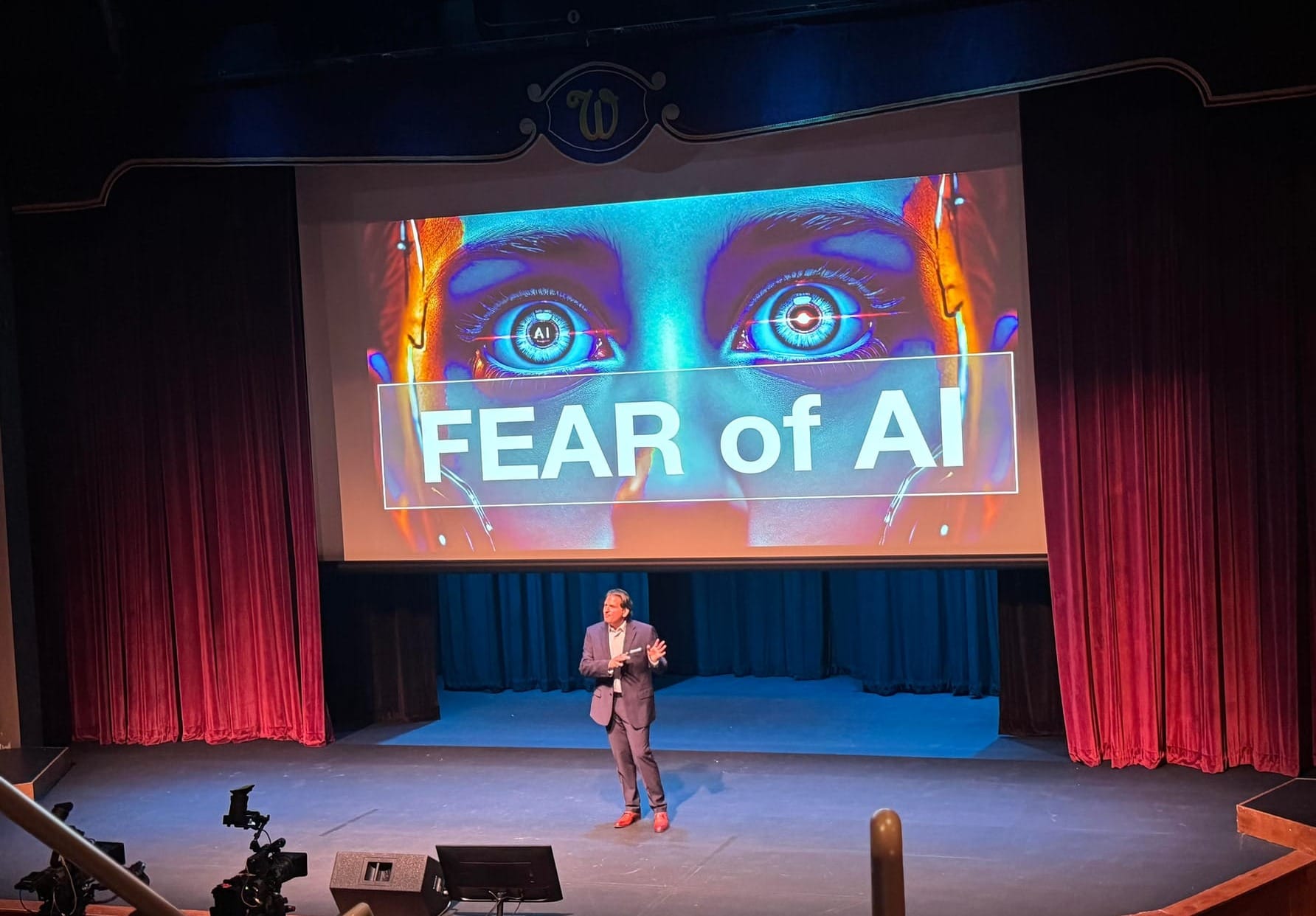
Brett Schklar: What surprised me most wasn’t fear. It was urgency. CEOs aren’t afraid of AI taking over – they’re afraid of being the last in their industry to figure it out. The number of leaders who have quietly admitted, “I feel behind,” is staggering. A year ago, they were asking, “What is this stuff?” Now they’re asking, “How do I reorganize my entire company around it?”
There’s also been a big shift in the kinds of questions they ask. Early on, they wanted explanations – how models work, what hallucinations are, whether this is safe. Today, the questions are far more operational. They’re asking how to build an AI roadmap, how to measure ROI, how to restructure roles, and how to talk about AI with their boards and employees. That tells me we’ve moved from curiosity to execution.
And the most striking change in the last six months is the mood: Leaders are now talking about AI as a new operating system for their business. They’re seeing it not as a tool but as a foundation. That’s a very different level of commitment.
CO AI News: Looking back, is there anything that you wish you had included in your book, and which now seems more important? Or, to rephrase the question, how would a book you wrote today be different?
Brett Schklar: If I wrote "AI Without the BS" today, I’d make one major addition: a deeper dive into Return on AI – ROAI. When the book came out, leaders were mostly trying to understand how to start. Today they’re trying to understand how to scale and how to quantify value. There’s a big difference between dabbling with AI and running a company that actually runs on it.
I’d also add more about the governance side – but not the legal, checkbox version. I mean the practical playbook: How to prevent shadow AI from blooming into chaos, how to set a clear internal philosophy around AI use, and how to make smart tradeoffs between speed and risk. That’s where leaders are struggling now.
And honestly, I’d pack in even more real-world examples. The pace of “shock and awe” success stories is accelerating. Small teams using AI to get three to five times more done isn’t a prediction anymore – it’s Tuesday. CEOs respond to stories like that because they make the opportunity feel real and urgent.
CO AI News: What have you seen as the major differences between how the largest enterprise firms and the smaller, mid-market companies are tackling AI? Who's getting it right? Does it come down to the CEO's commitment, resources, or something else?
Brett Schklar: Enterprises and mid-market companies are living in two different worlds when it comes to AI. Enterprises have enormous resources – they’ve got the budgets, the teams, and the tools. What they lack is speed. They’re weighed down by committees, approvals, risk reviews, and meetings where a dozen people debate whether to have another meeting. By the time they greenlight an idea, a mid-market competitor has already tested it, broken it, fixed it, and turned it into a win.
Mid-market companies, on the other hand, are scrappy. They move faster, they experiment more often, and they have fewer layers of “No” in the way. They don’t have the same resources, but they make up for it with decisiveness. And that decisiveness is often what fuels real ROI.
But in both cases, the biggest differentiator isn’t headcount or money. It’s the CEO. When the CEO is committed – truly committed, not “I sent a memo about AI” committed – then AI moves from an experiment to a core business initiative. When the CEO hesitates, everything stalls. AI adoption is a leadership issue long before it’s a technology issue.
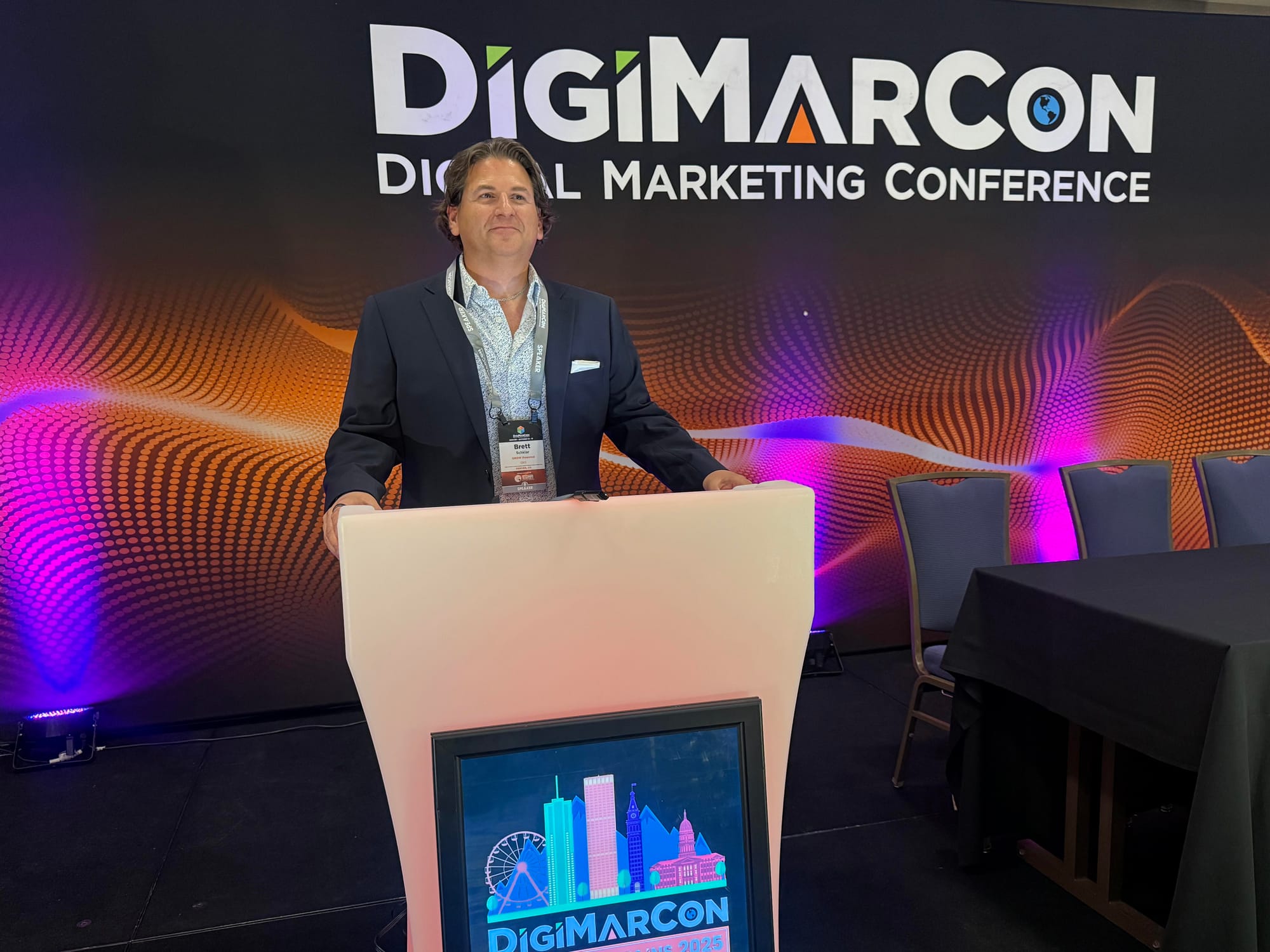
CO AI News: How much – if any – pushback have you gotten from people about the use of AI generally? This may not be coming from CEOs, or from companies' leadership teams, but from others outside those circles. What seem to be the biggest concerns, and how do you address them?
Brett Schklar: The interesting thing is that I don’t get pushback from CEOs. The resistance comes from the layers around them – employees, middle managers, and peers who fear that AI will expose weaknesses, automate parts of their job, or introduce risks the company isn’t prepared for. And to be fair, those concerns aren’t irrational. People sense that AI is a once-in-a-generation shift, and that makes them understandably uneasy.
The biggest concerns I hear center on job security, data privacy, and the fear of “breaking something important.” And I tell them the same thing every time: AI isn’t here to replace people. It’s here to replace the tasks people never liked doing anyway. It’s here to eliminate the drudgery, not the humans.
The fear that does deserve special attention is privacy. That one’s legitimate. CEOs should take it seriously and bake protections into their AI strategy – but not use it as an excuse to stand still. There’s a way to move fast and still be smart.
Once teams understand that AI is a tool that extends their capabilities – and not a threat that diminishes them – the temperature drops dramatically. People stop bracing for impact and start looking for opportunities.
CO AI News: To wrap things up, what’s the biggest misconception CEOs still have about AI – and what’s the truth they need to hear?
Brett Schklar: The biggest misconception is that AI adoption is primarily a technology decision. It’s not. It’s a leadership decision. A lot of CEOs still believe they need a perfectly architected plan, a new hire, or a six-figure consulting engagement before they can start. The truth is, the companies that win in AI aren’t the ones with the cleanest plans. They’re the ones with the boldest intentions.
Another misconception is that AI is going to “settle down” or slow the pace at some point. It isn’t. This is the only technology in our lifetime that moves faster while you’re using it. CEOs who wait for things to stabilize will be waiting forever—and falling behind the whole time.
What leaders need to hear is this: AI isn’t the next big thing. It’s the new normal. And the companies that thrive will be the ones whose CEOs stop asking, “Is this the right time?” and start asking, “What’s the next thing we can do with it?”
This isn’t about replacing people or cutting costs. It’s about increasing the organization’s capacity for growth and innovation. Once a CEO sees AI as a force multiplier – not a threat or a cost center – the entire conversation shifts, and so does their trajectory.
Act III: Closing Thoughts
Taken together, Schklar’s comments describe an AI landscape that’s racing ahead whether leaders are ready or not. The technology is improving, the use cases are multiplying, and the gap between dabbling and real return on AI is widening by the month.
If Schklar is correct that AI is a force multiplier rather than a threat, the real story over the next six months won’t be about models; it will be about which CEOs decide to lean in, reorganize, and lead – and which ones keep waiting for things to “settle down.”
What's fairly clear is this: Schklar is far from alone in thinking that those CEOs waiting for things to settle down may be waiting a very long time.