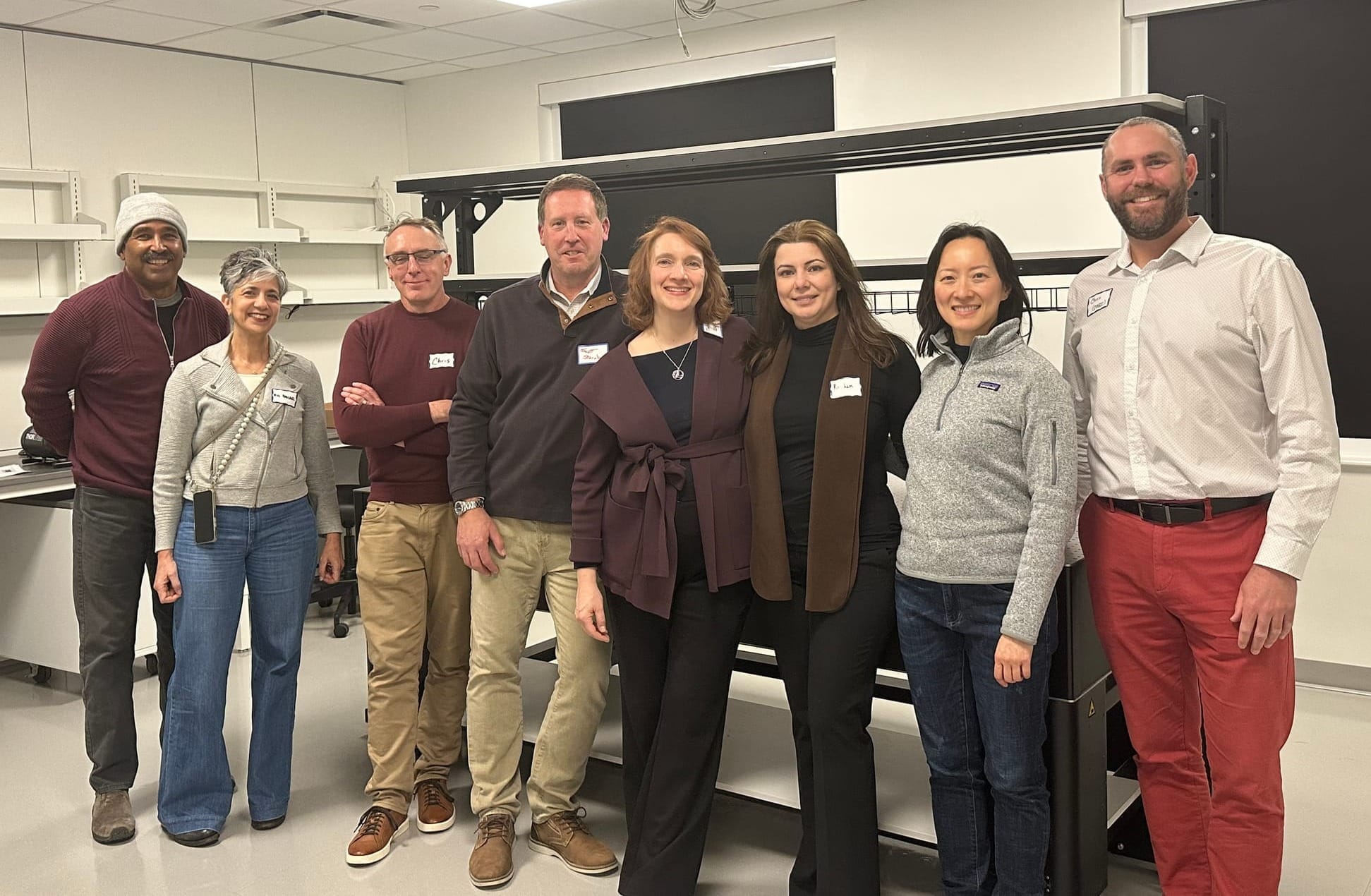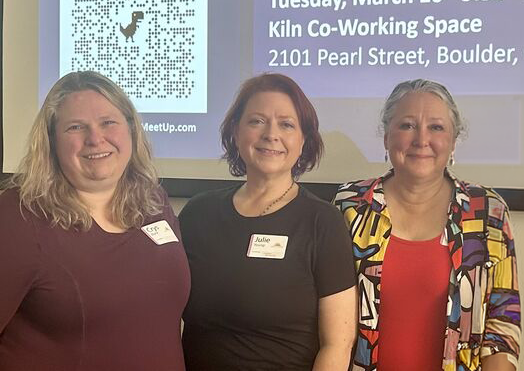

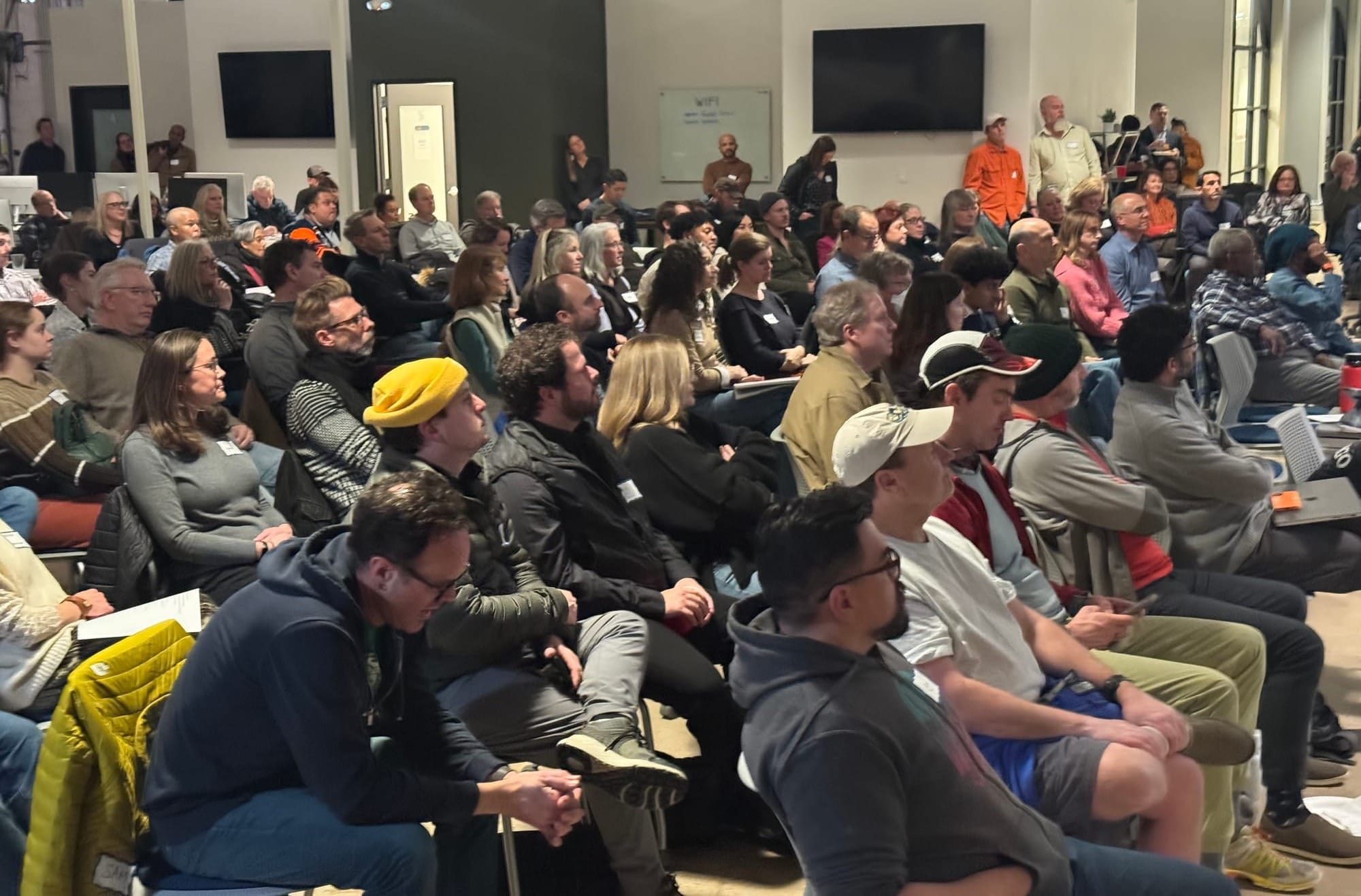
The two of us – Phil Nugent and Crys Black – co-hosted the Rocky Mountain AI Interest Group's AI for Good event last week. The evening was truly overflowing with attendees, presenters, and examples of AI being used for good. We wanted to follow it up by writing a piece that shared a few takeaways – and even more importantly, stories of the good that the startups are already making happen out in the world. Ten days after the event, what the two of us kept returning to was not a particular demo or business plan, but the way the presenters described the problems in front of them, the way they're tackling them head on, and the way the room responded when the work felt grounded and real.
Crys Black summed up the tone in a sentence that feels spot-on for both of us: “What stood out to me most at this year’s AI for Good wasn’t just the technology – it was the problems they were addressing straight on.”
On stage, we didn't hear about abstract use cases or speculative futures. We heard about literacy gaps that affect two-thirds of classrooms and survivors navigating years of post-separation abuse. We heard about neurodivergent families trying to make fragmented systems work and communities shut out of civic decision-making because public meetings are long, inaccessible, and effectively invisible.
Crys also noted that the speakers did not try to sand those edges down. They talked openly about underfunded systems, broken incentives, institutional friction, and the human cost of inaction. In her view, that honesty helped create trust in the room.
For this follow-up, we asked each presenter for a customer, a user, or a real-world moment that captured what “AI for Good” looks like in practice for their company. The stories below follow the speaking order from the night, beginning with the two returning alumni and continuing with the four new presenters.
Aimee
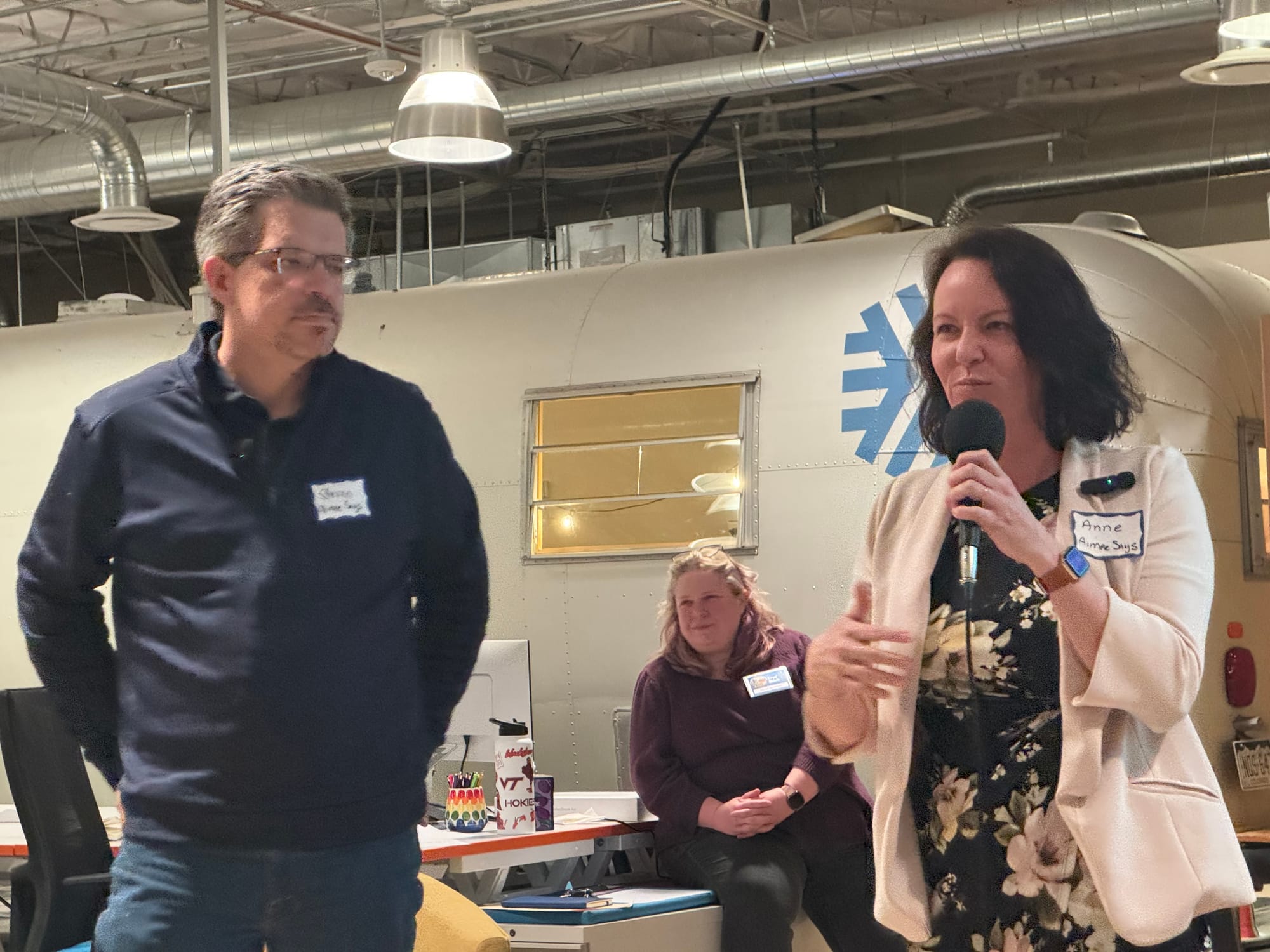
Aimee is an AI platform built to support people experiencing relationship abuse. The tool helps users recognize abusive dynamics, document what is happening in real time, organize evidence, and prepare for legal, academic, workplace, and personal decisions. Aimee Says was presented by CEO Anne Wintemute and CTO Steven Nichols.
Wintemute shared a story from a survivor who contacted the team after escaping a long-term abusive marriage. He described years of coercive control that left him debilitated, physically unwell, and struggling cognitively, to the point that he said he was barely functioning.
At first, he used Aimee anonymously, late at night, talking through what he was experiencing. As he began to trust the tool, he created an account and started planning for a safe exit. Because he relied on a wheelchair, leaving required careful coordination. Wintemute said Aimee helped the user think through logistics, identify risks, and pace the process in a way that matched his physical limitations.
Just as important, Wintemute said, the tool helped the individual specifically name what was happening. After years of psychological and emotional abuse that distorted his sense of reality, learning to recognize patterns of coercive control helped him stop internalizing the manipulation and begin to see it clearly.
Over time, those conversations became structured documentation. When he finally left, he had corroborating information that helped him obtain a protection order. In his message to the team afterward, he said Aimee played a pivotal role in his ability to survive, leave safely, and feel hope about his future.
Ojje
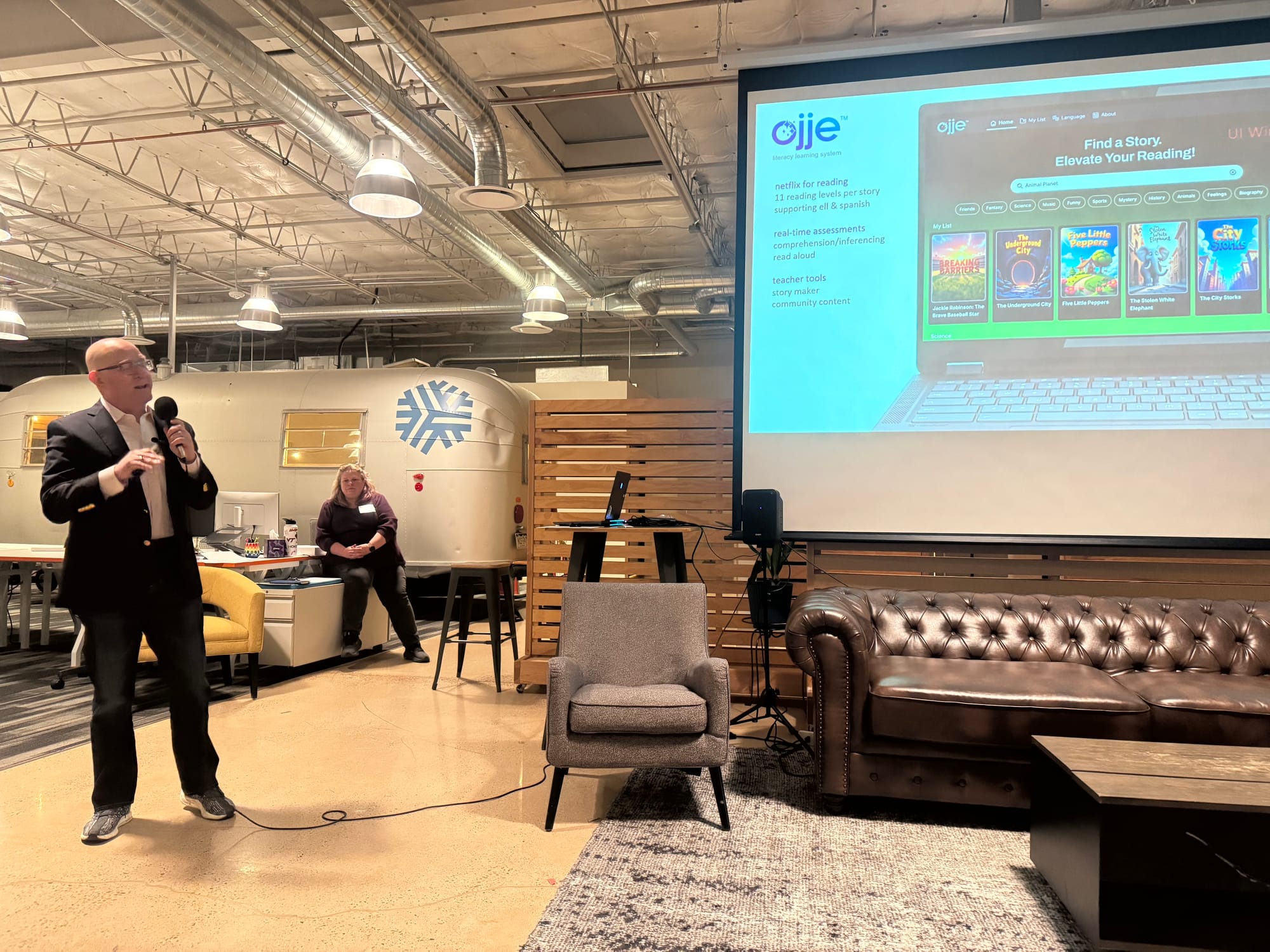
Ojje is an education technology company focused on literacy, with tools designed to help educators meet students at their reading level. The company was presented by founder Adrian Chernoff, with head of partnerships Ben Moultrie weighing in at the Q&A afterward.
Chernoff shared two moments that, for him, capture why the product matters. The first happened during an early demo at a conference. A mother was sitting with her daughter, a bored third grader. Chernoff invited her to try Ojje’s Story Maker. Together, they co-created a story in about a minute by brainstorming characters and a simple plot. As the characters appeared, Chernoff said, the girl’s expression changed and she leaned in close to the screen. Then she read the story, and at the end, she answered all the comprehension questions correctly. She was not just passively consuming content. She was engaged, because the story was something she had helped create.
The second story came from a classroom in a hospital setting in Denver, where children attend school while receiving care. Chernoff said a teacher asked students to co-create a story, then displayed it on a big screen so the class could read it together. When the story appeared, he said, the kids stood up, clapped, and cheered for their own work.
Crys’ observation about the returning alumni is fitting here: The updates were not framed as shiny new ideas. They were framed as what happens when a tool meets reality, including the practical work of designing something teachers can use and students can connect with.
Similarly, Crys explained the energy in the room as the result of attendees who were hungry to see AI applied to real issues, and not just optimization, growth, or novelty. The work on stage felt aimed at reducing friction in real systems that can help improve everyday life.
beneAI
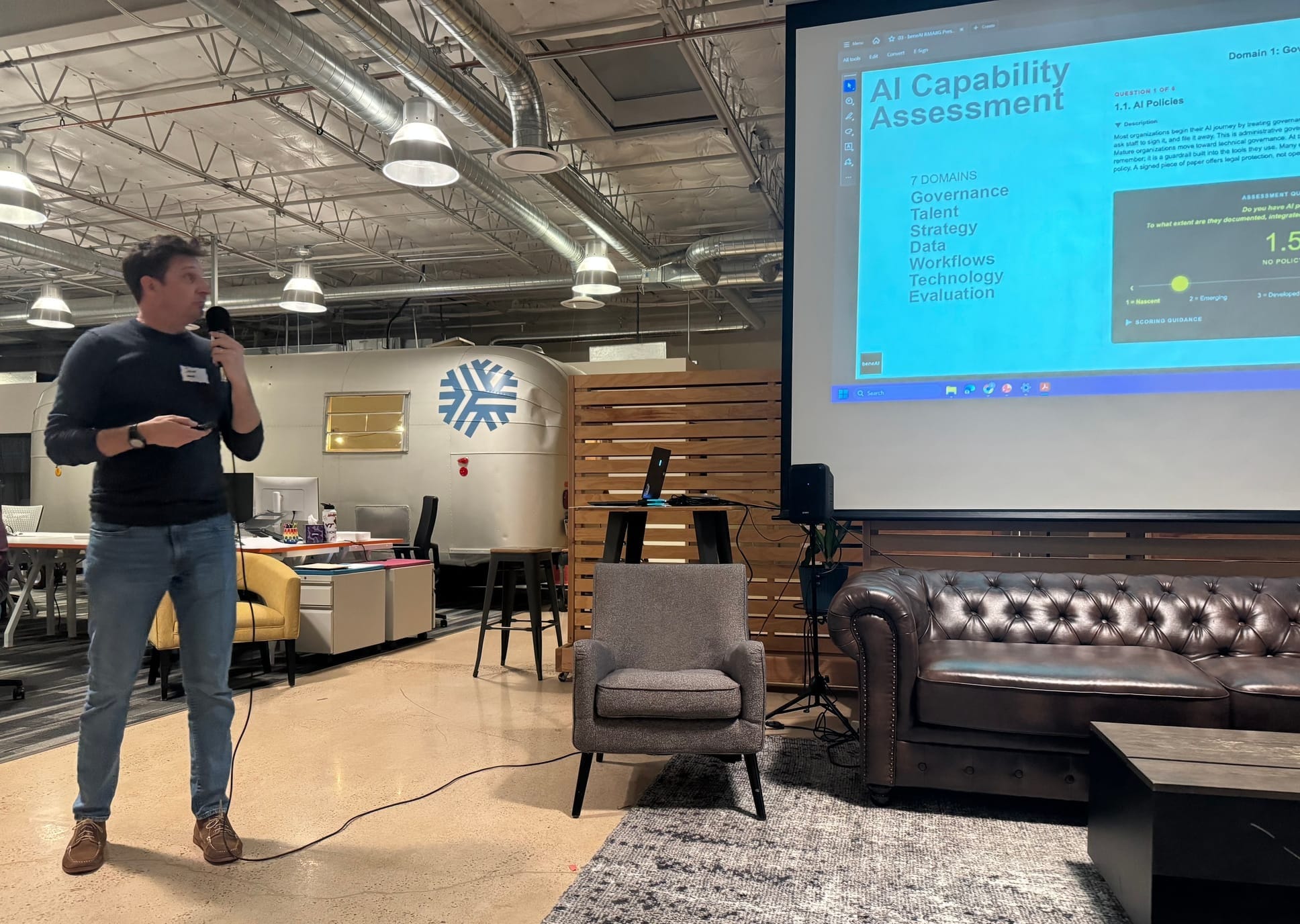
beneAI is a Denver-based consultancy that helps small- and medium-sized mission-driven organizations adopt AI in practical and responsible ways. The company focuses on learning modules, governance and policy support, and strategic planning. Founder Jacob Bielecki was the presenter.
Bielecki shared a story from a regional Meals on Wheels provider serving homebound older adults. Like many nonprofits, the organization was facing rising demand and shrinking public funding. The team needed to adapt, but it had limited bandwidth and equally limited budget for training. Some staff and board members were eager to explore AI, but others found the technology intimidating and were not sure where to begin.
beneAI designed a limited, two-week “accelerator” built around short sprints of learning and workshopping. Bielecki said the goal was not to chase gadgets, but to build confidence and put safety rails in place, including a right-sized policy aligned with the organization’s mission and values.
One of the most useful parts of the engagement, he said, was a logic model exercise that helped the team visualize what an AI-enhanced version of their work could look like alongside a longer-term vision. With that clarity, the team began to see AI as a way to protect high-touch work rather than replace it. They explored how tools could help track, analyze, and improve volunteer-client relationships, and not just optimize delivery routes. They also began exploring how to expand their volunteer base and improve volunteer-client matching.
The beneAI story, therefore, is not about a nonprofit becoming more “automated.” It's about a nonprofit increasing capacity with limited resources, in order to preserve dignity and connection to the work itself.
MeetingBriefs.ai
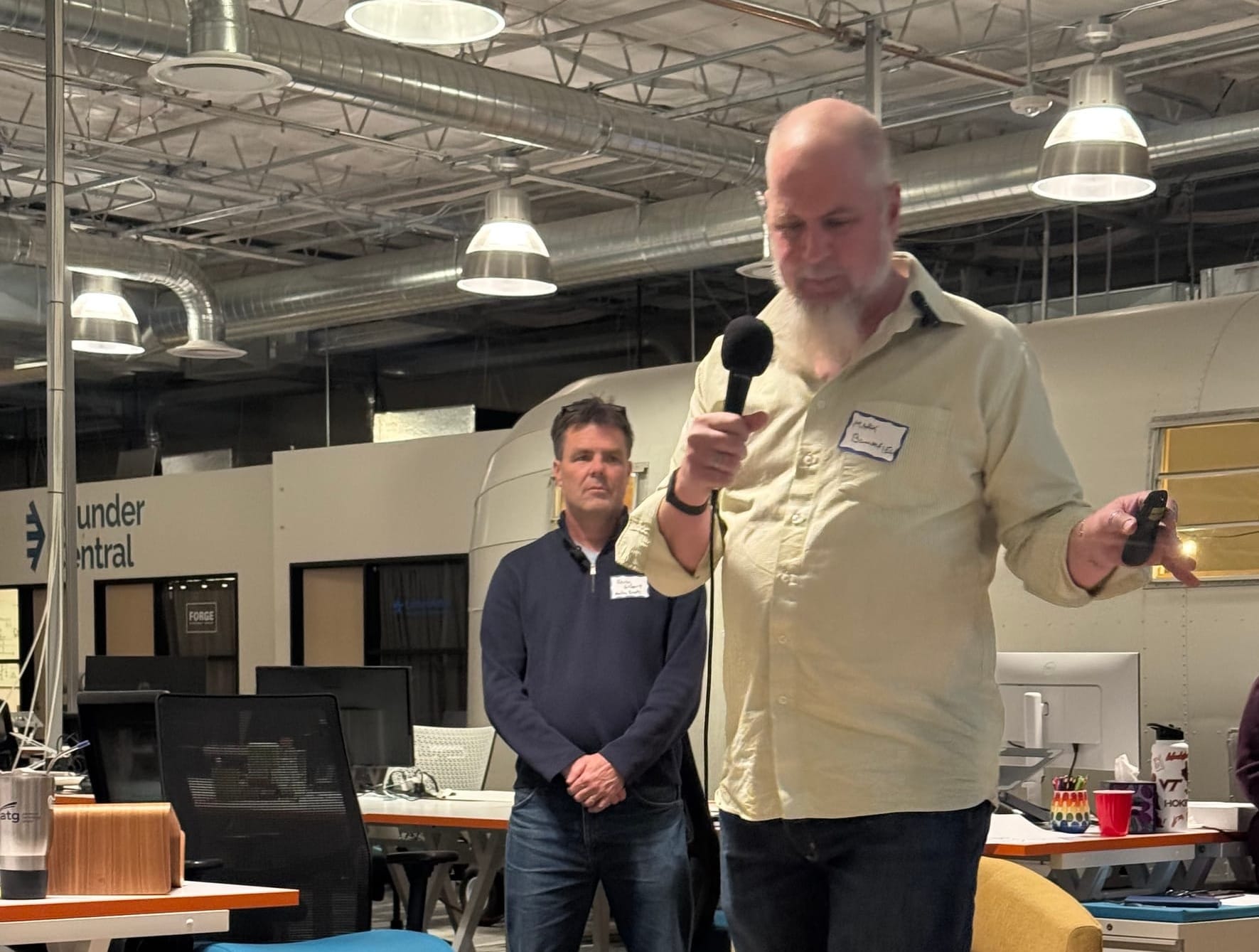
MeetingBriefs.ai tracks meetings at the municipal, state, and federal level, after which it delivers meeting summaries to subscribers. The goal is to help residents follow decisions that affect their neighborhoods while there's still time for action, and to help professionals spot relevant decisions quickly. The company was presented by founder Mark Bloomfield and technologist Kevin Gilbert.
When asked for an example of a user who personifies the “good” that the tool is meant to serve, Bloomfield pointed to the company’s original customer, an environmental lawyer.
The attorney had been tracking several commissions in Colorado for clients based in the state. But then he took on a client with multi-state work, and the number of commissions he needed to monitor tripled. He was already having trouble keeping up, and Bloomfield said the lawyer asked him if he could build a tool to help.
The first problem was time. Bloomfield said the attorney had to track about 12 hours a week of meetings, which he was never going to do, so the team turned that workload into a small set of written summaries he could quickly read through over his morning coffee once or twice a week. The second problem was money, as building this tool for one attorney would cost much more than he alone could afford. That's when Bloomfield realized that there were many others who also would want to make use of the tool, and a new company was hatched.
In fact, there's a much broader, civic use: making city council meetings easier for residents to follow by turning long, hard-to-access public sessions into information people can actually access, digest, and act upon.
See the Stars
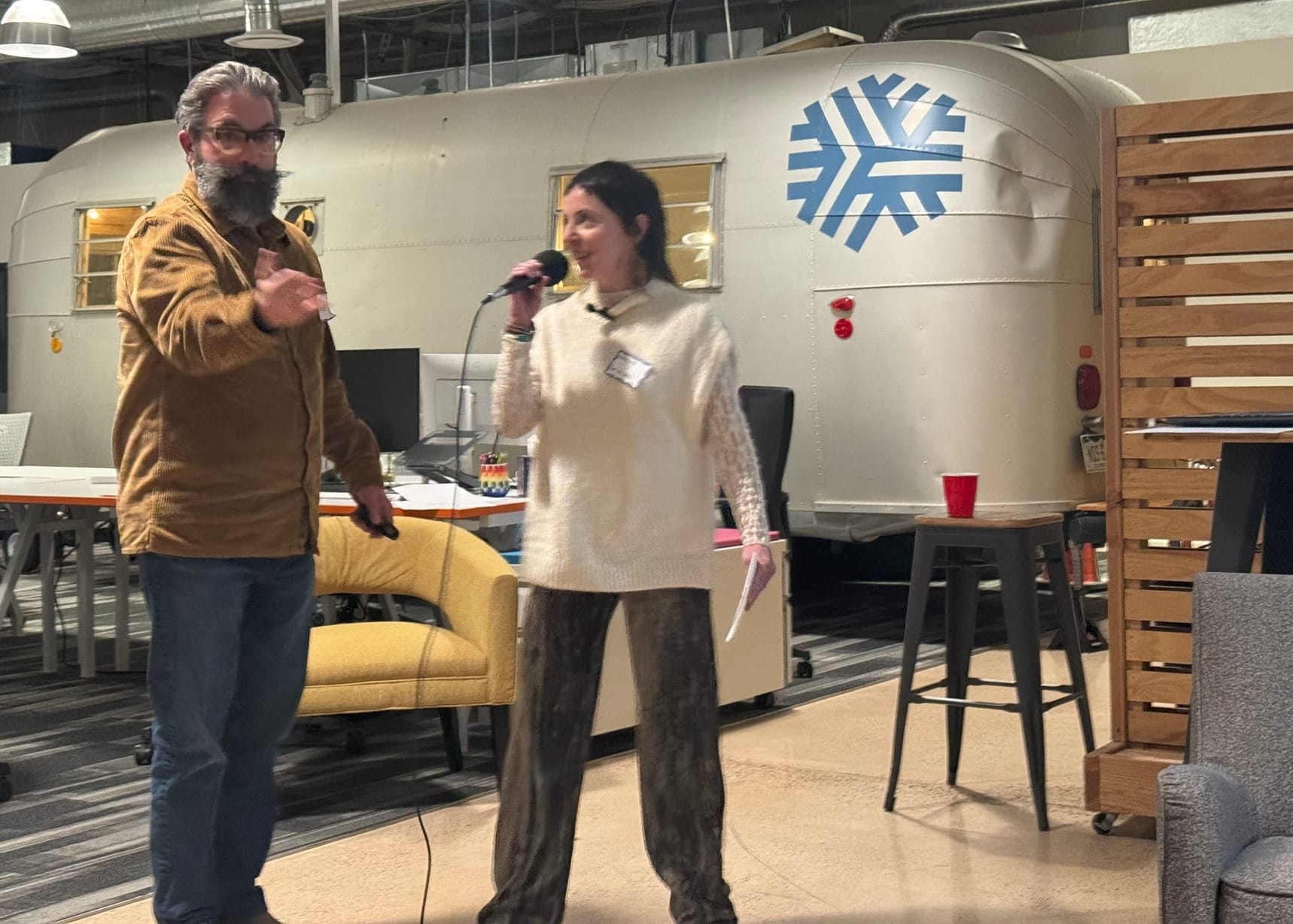
See the Stars is a mission-driven agency that has spent about a decade connecting people with services and benefits, referring large numbers of individuals each year to programs that improve their health, stability, and financial well-being. The team says it's now using AI to accelerate what's possible, beginning with one of the most complex challenges in the benefits landscape: property tax assistance. Founder Peter Genuardi and product manager Ondine Geary gave the presentation.
Genuardi described the company’s work in plain terms: closing the distance between people in need and the support they deserve. The team focuses on reaching people where they are – online and on their phones – often in moments of real need, and helping to guide them step by step toward benefits that can make a tangible difference.
He also described Beacon, the company’s AI-supported platform built for this purpose. The platform is designed not only to help individuals seeking support, but also to equip social workers, healthcare providers, and community organizations with better tools to connect people to services such as healthcare, nutrition assistance, and tax relief.
In a space where access can be as much about the difficulty of navigation as it is about eligibility, the See the Stars promise is straightforward: Make the path to help people in need clearer and more humane, and at the scale that the moment demands.
NixIt AI
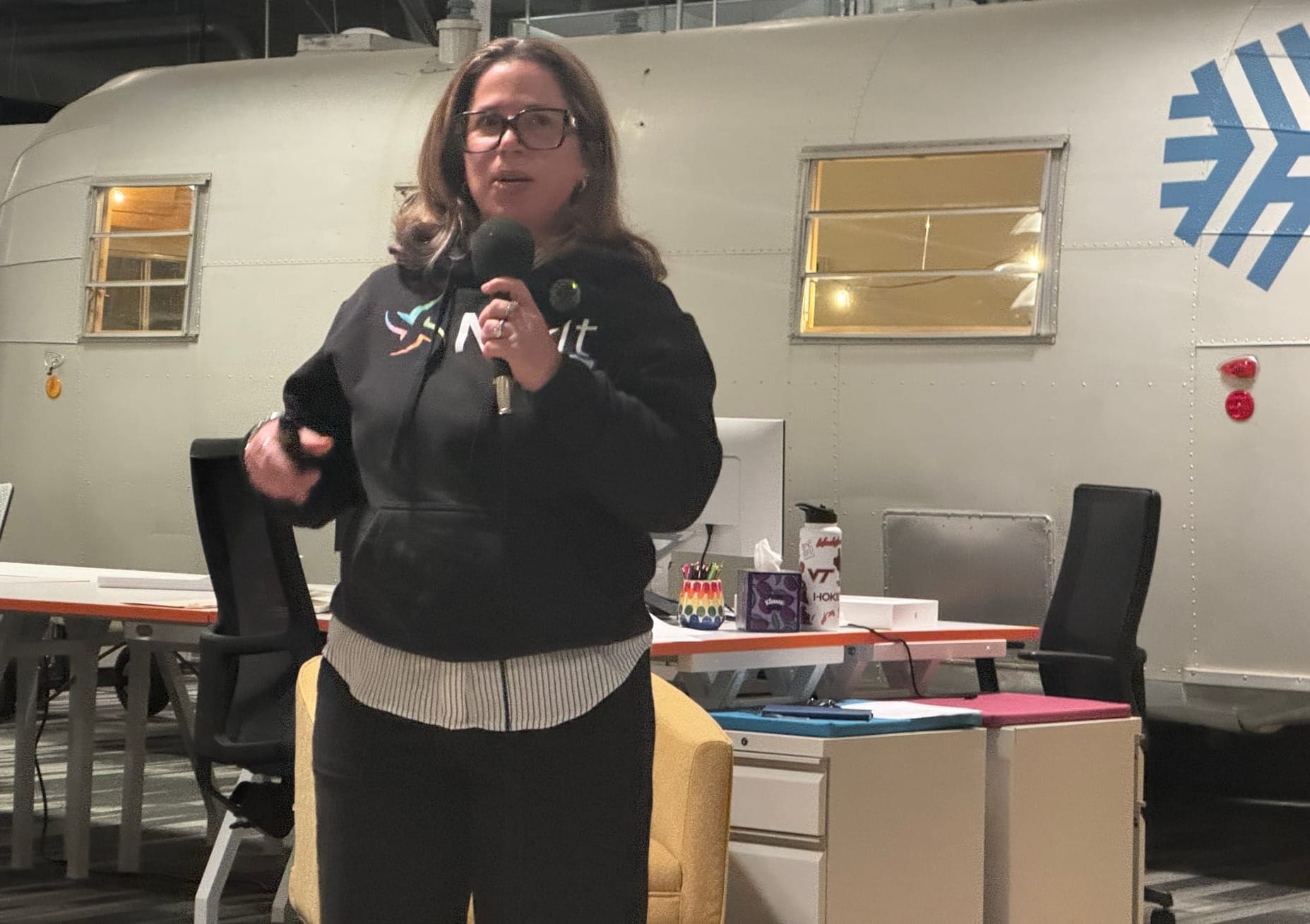
In a nutshell, NixIt AI is built by a neurodivergent team for neurodivergent users. The company frames its mission as support without shame, with tools designed to honor how people think and work rather than forcing them into rigid productivity systems. NixIt AI was presented by founder and CEO Kathy Long.
After the presentation, Justin Fern, Nixit's VP of creative operations, described feedback from a tester with ADHD. "Joey" had shared with Fern that traditional productivity tools often feel built for neurotypical brains. For Joey, when he missed a day or broke a streak with those tools, they made him feel shamed, which caused him to spiral further.
Joey’s summary of what worked was simple: having something that meets him where he is, instead of forcing him into a box that will never fit.
Fern said NixIt’s approach, which he described as gentle accountability without punishment, made Joey more willing to re-engage after falling off, rather than avoiding the tool out of guilt. For someone who felt that productivity systems were designed to make him fail, Fern said, that shift captured the kind of “good” the team is trying to create.
The response in the room
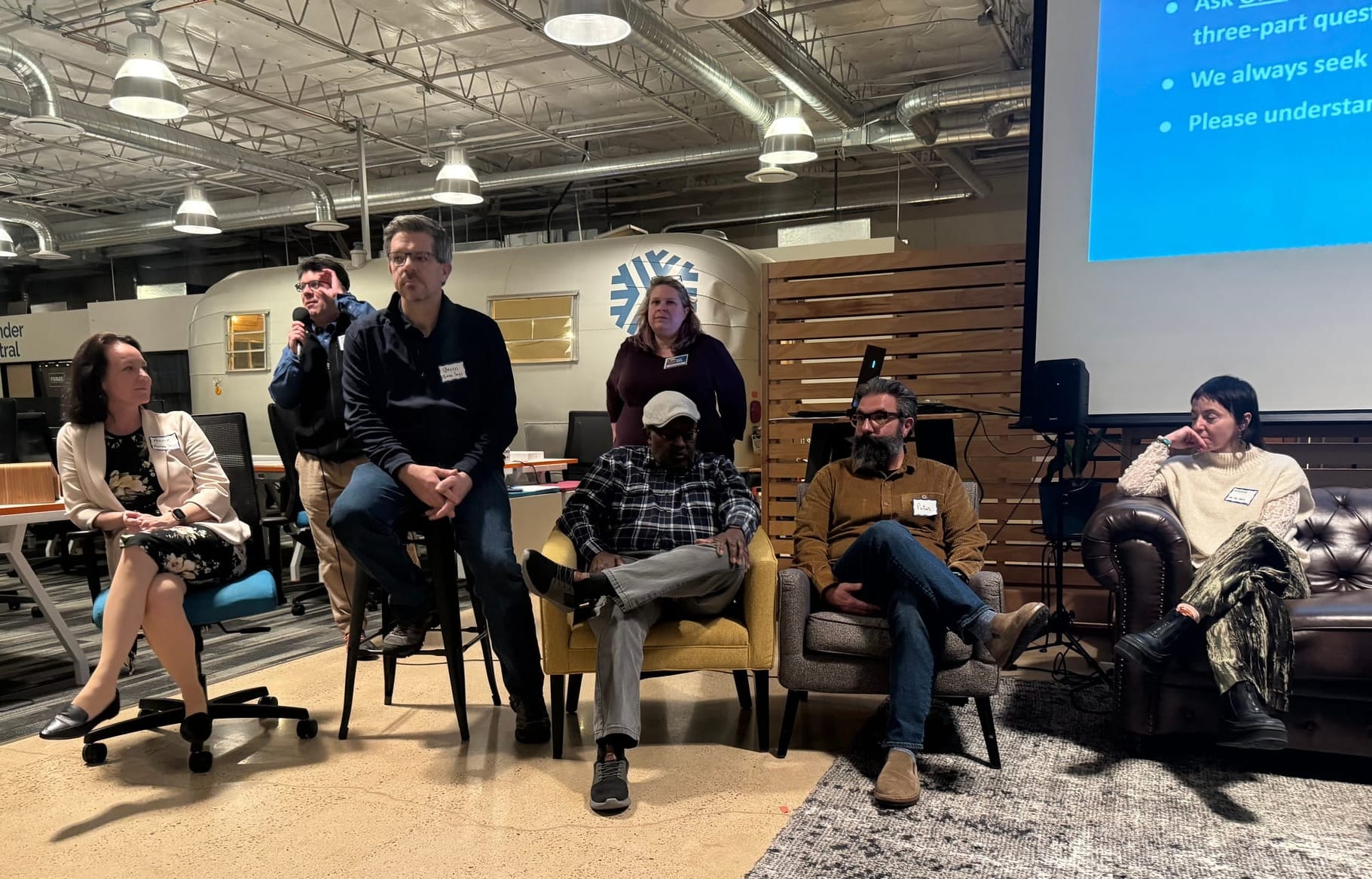
Crys’ most practical observation came after the presentations. When speakers made clear and specific asks for beta testers, pilot partners, introductions, or collaborators, people responded quickly. Lines formed, QR codes were scanned, and conversations extended well past the scheduled end of the event.
That reaction is not proof that every product will succeed. But it's a useful signal that the room was responding to work that felt grounded in lived experience and real outcomes, and not just rhetoric.
Crys also offered a concluding thought on the moment: People are not anti-AI. Instead, they are tired of shallow narratives, they want accountability, and they want good news that is earned, and not declared.
That's a fair description of what we saw. The night didn't promise to save the world, but it highlighted a half-dozen teams that are working hard to stay with difficult problems, to be willing to iterate in public, and not be too proud to invite others to help.